
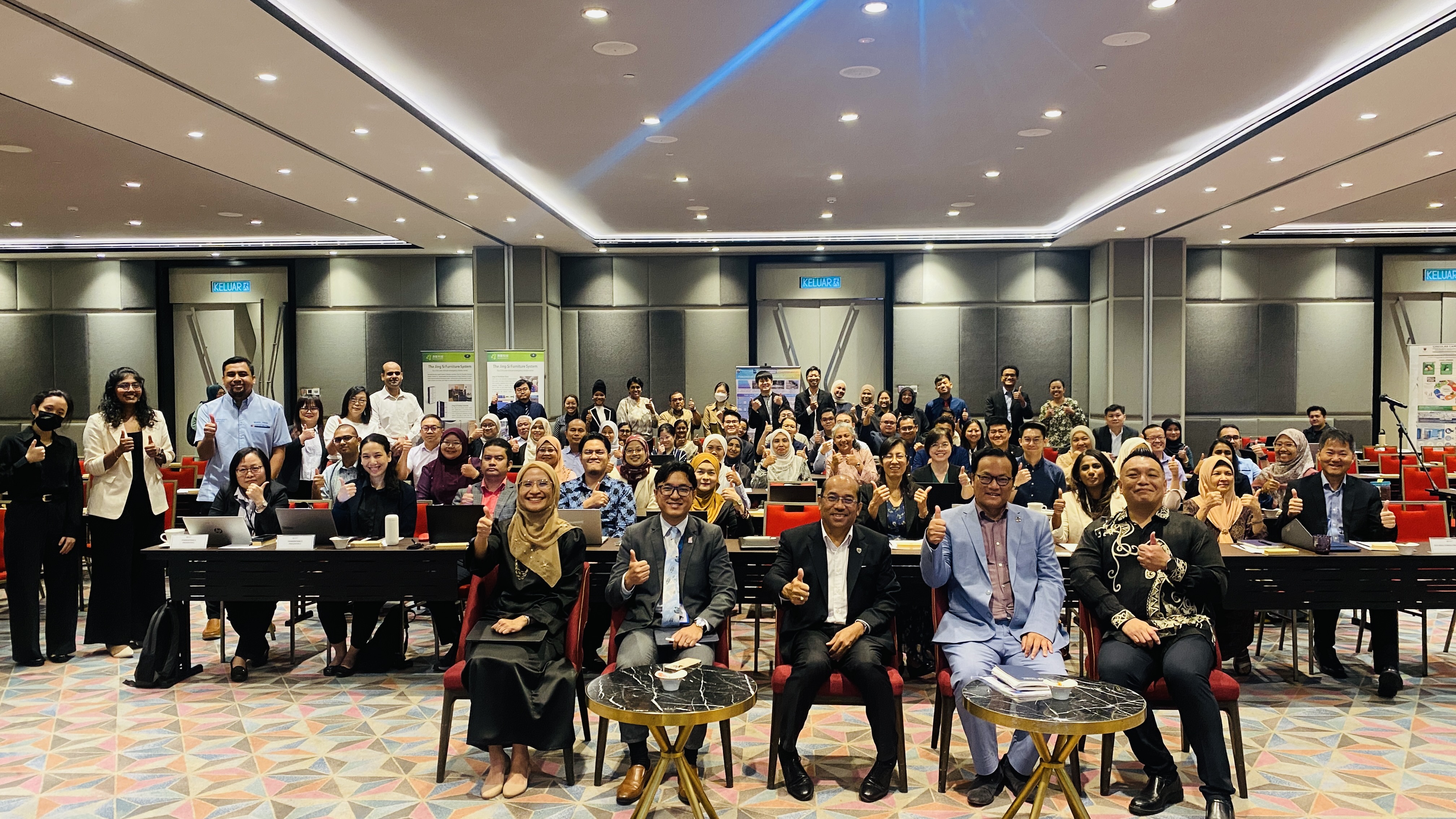
On 9 February 2026, the “Plastic Circular Economy Knowledge Sharing Symposium” was successfully held at M World Hotel, Petaling Jaya, bringing together government agencies, industry players, academia, civil society organisations, and consumer groups to strengthen Malaysia’s transition towards a plastic circular economy.
The symposium built on the Circular Economy Policy Framework for the Manufacturing Sector (CEPF), launched by the Ministry of Investment, Trade and Industry (MITI) in September 2024, which aligns with the goals of the New Industrial Master Plan 2030 (NIMP 2030). The CEPF promotes closed-loop material flows, product designs that reduce raw material use, enhance recyclability and reusability, and increase the availability of secondary feedstock.
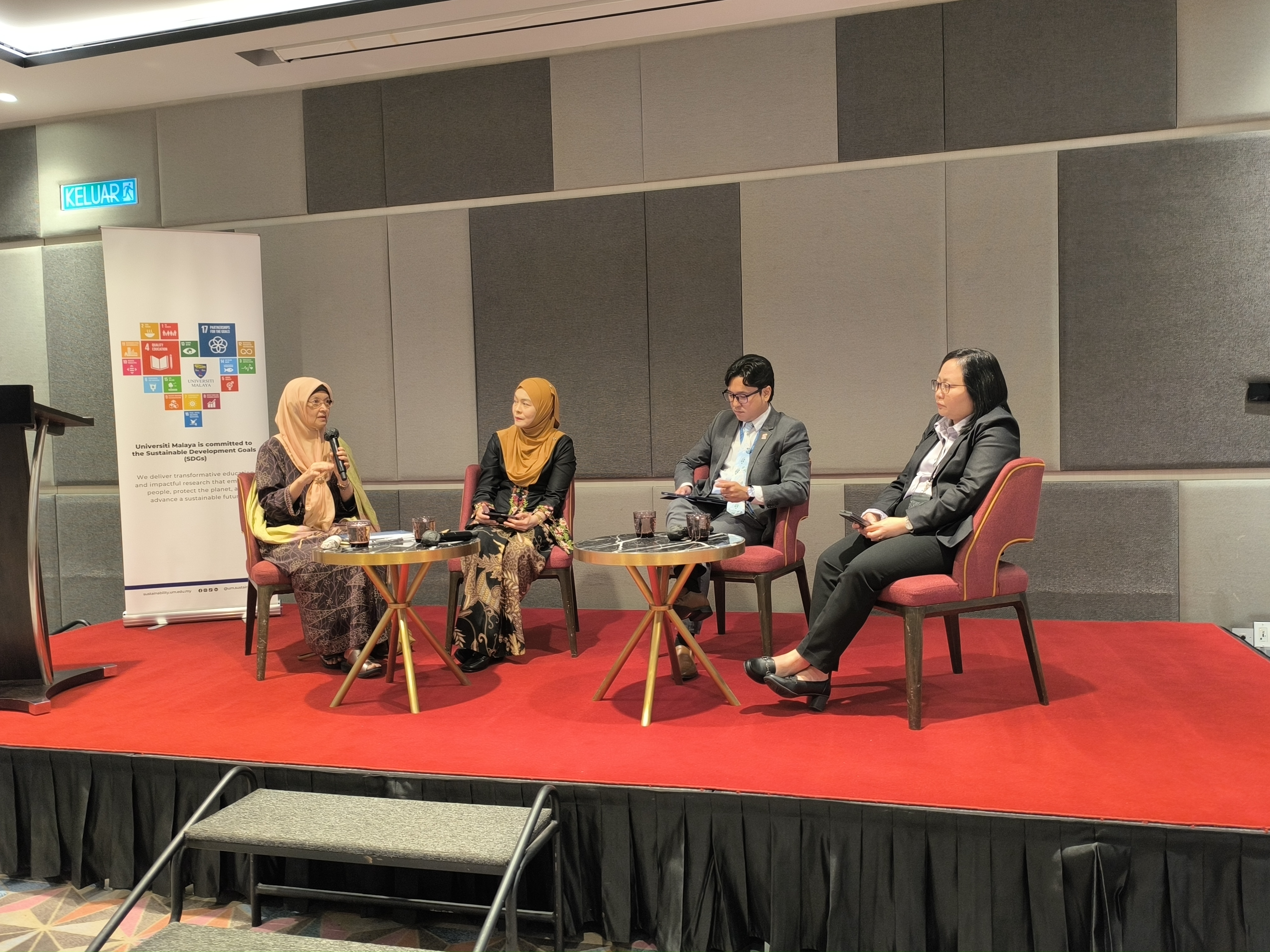
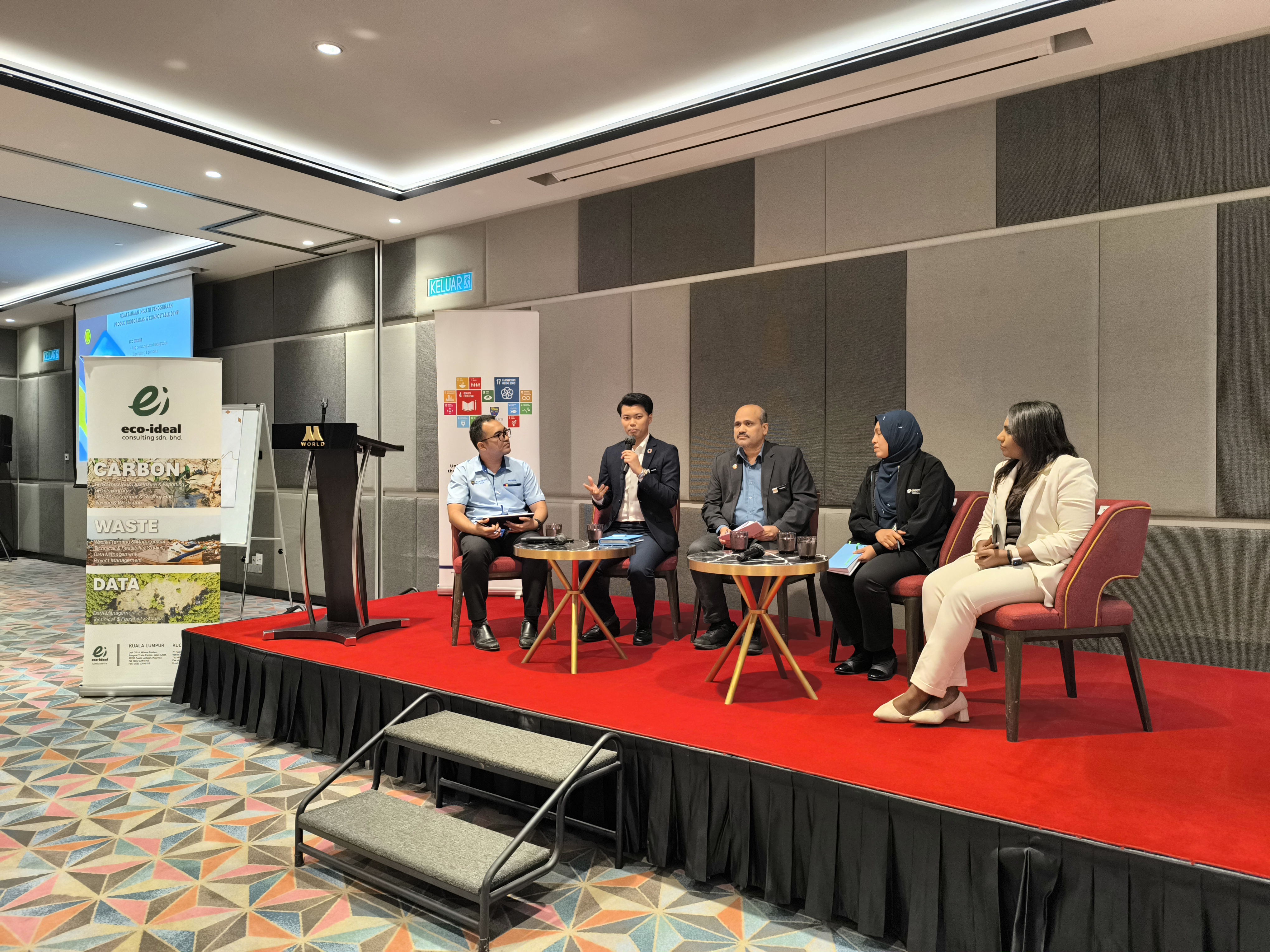
Organised through a collaboration between the United Nations Environment Programme (UNEP), Universiti Malaya (UM) and Eco-Ideal Consulting Sdn. Bhd. under a Small-Scale Funding Agreement (SSFA), the symposium forms part of the project titled “Baseline Assessment, Stakeholder Engagement, and Capacity Building for Minimum Recycled Content (MRC) Implementation in PET Packaging in Malaysia”, funded by the UN Peace and Development Trust Fund – 2030 Agenda Sub-Fund. UM partnered with Eco-Ideal Consulting Sdn. Bhd. to jointly implement and deliver the project, aimed at enhancing the capacity of government agencies and businesses to develop and implement plastic circular economy strategies, particularly in manufacturing and packaging.
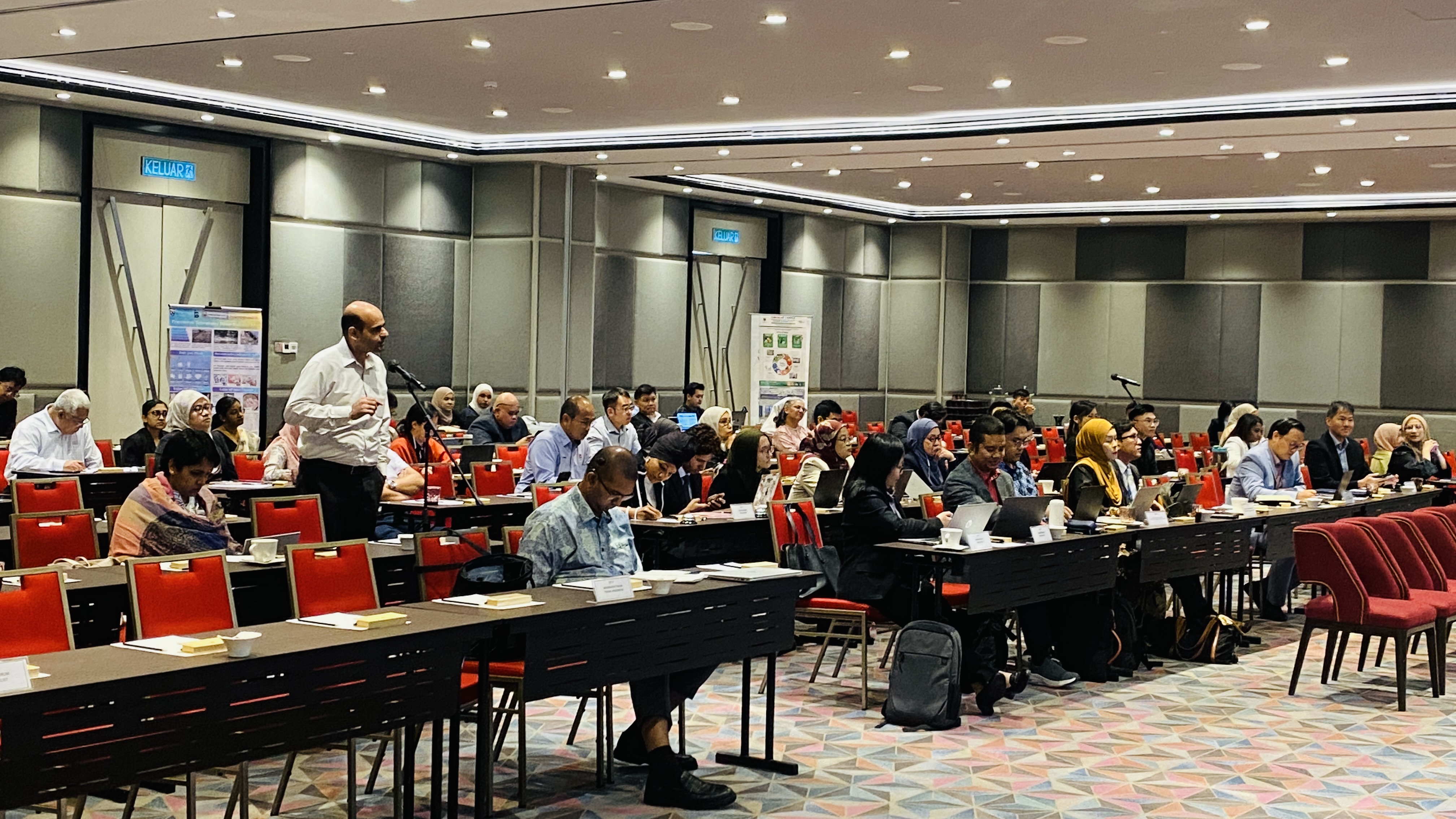
The event provided a platform for shared learning and dialogue, highlighting key concepts such as Extended Producer Responsibility (EPR) and Minimum Recycled Content (MRC) requirements in plastic products. Participants engaged in knowledge-sharing sessions, discussions, and capacity-building activities to better understand the latest policies and practices across the plastic value chain, from upstream to downstream actors.
The symposium successfully strengthened awareness, fostered collaboration among stakeholders, and underscored the collective role of industry, government, and civil society in advancing Malaysia’s plastic circular economy agenda.