
What does sustainability really look like?
For a group of students and staff from Universiti Malaya (UM) and Mahidol University, Thailand, it looked like feeding goats, making spring rolls with seaweed, preparing healthy soil for a future forest, visiting cutting-edge agricultural research facilities, and sharing Thai salad and Malaysian batik before saying goodbye.
From 20–23 July 2026, the Universiti Malaya Sustainable Development Centre (UMSDC) welcomed participants for the Sustainable Development Goals + Mobility Mahidol University Projects 2026 (SDGs + Mobility MaPs) in Malaysia. Guided by the theme "From Farm to Food to Table: Food for All × Food for Wellness × Food for Futures," the four-day programme brought sustainability to life through hands-on experiences, knowledge sharing, and meaningful cultural exchange.
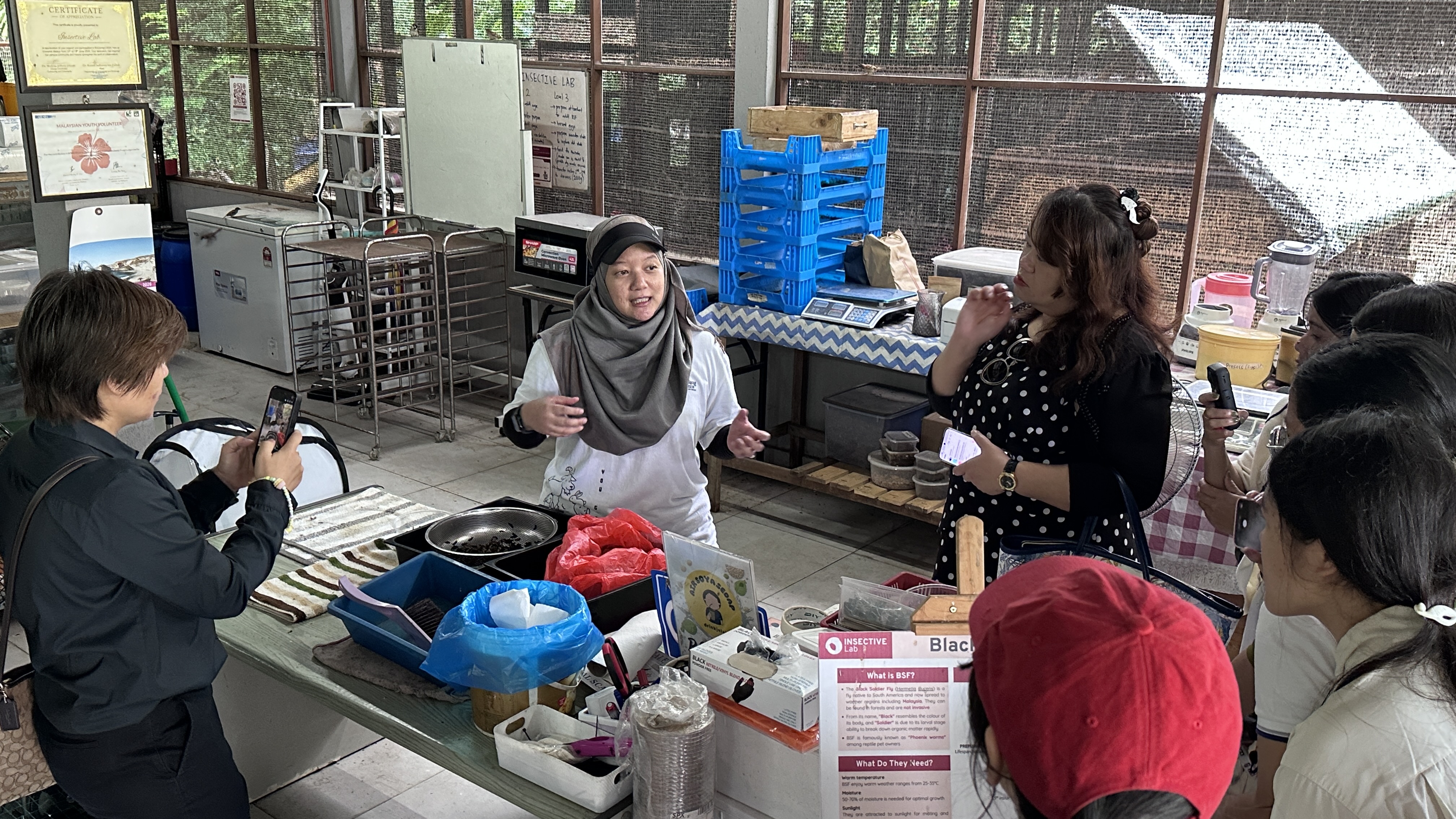
The programme kicked off with a visit to Ladang Mini ISB, Universiti Malaya, where Associate Professor Dr. Norhidayah Mohd Taufek and her student, Ms. Alia, introduced participants to the world of sustainable farming. From learning how sheep and goats are cared for—including Malaysia's Germasia goat breed—to visiting the Insective Lab black soldier fly farm, fish tanks, and stingless bee colonies, the morning offered a fascinating glimpse into how different farming systems can work together to support a more sustainable future.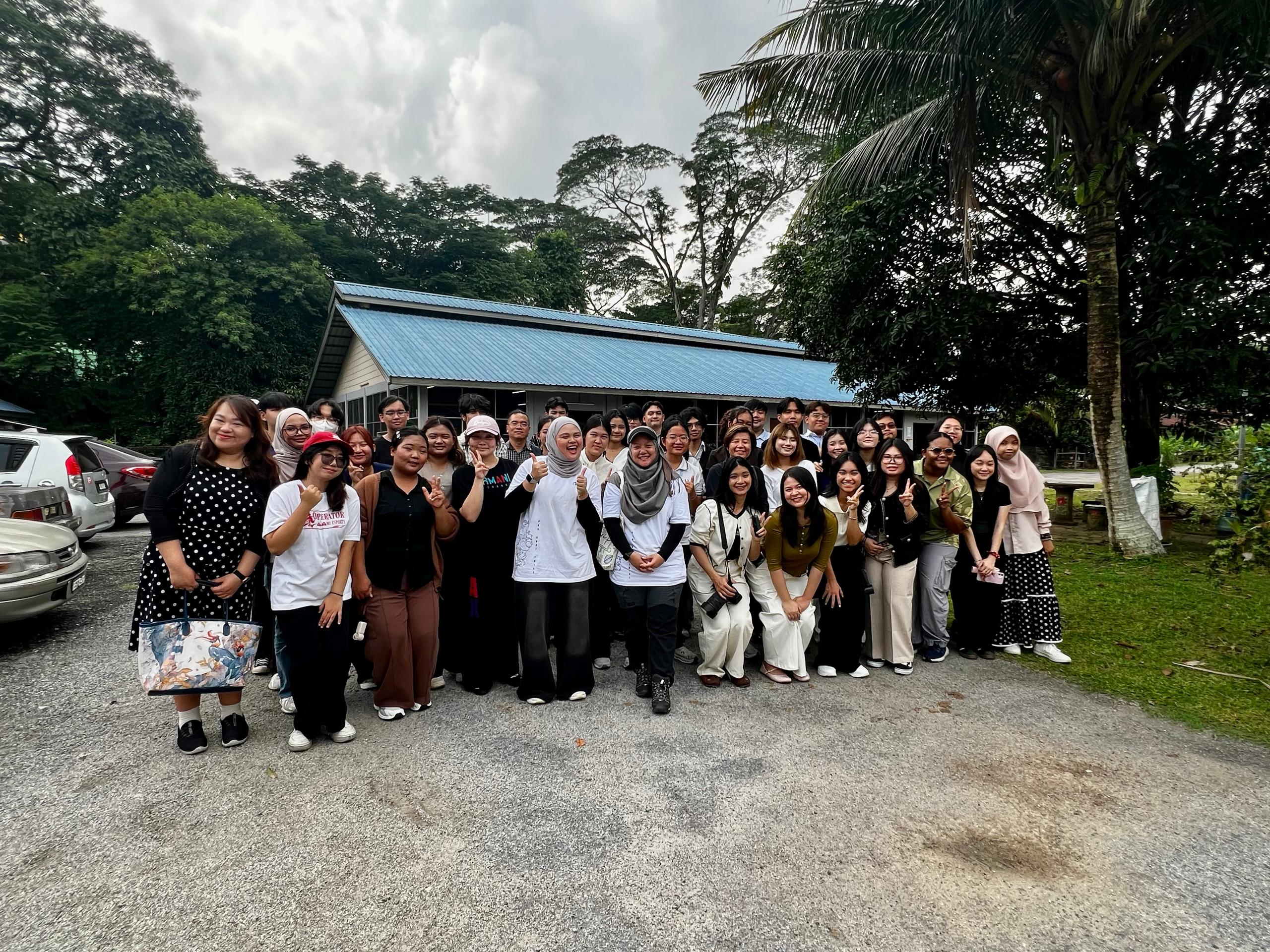
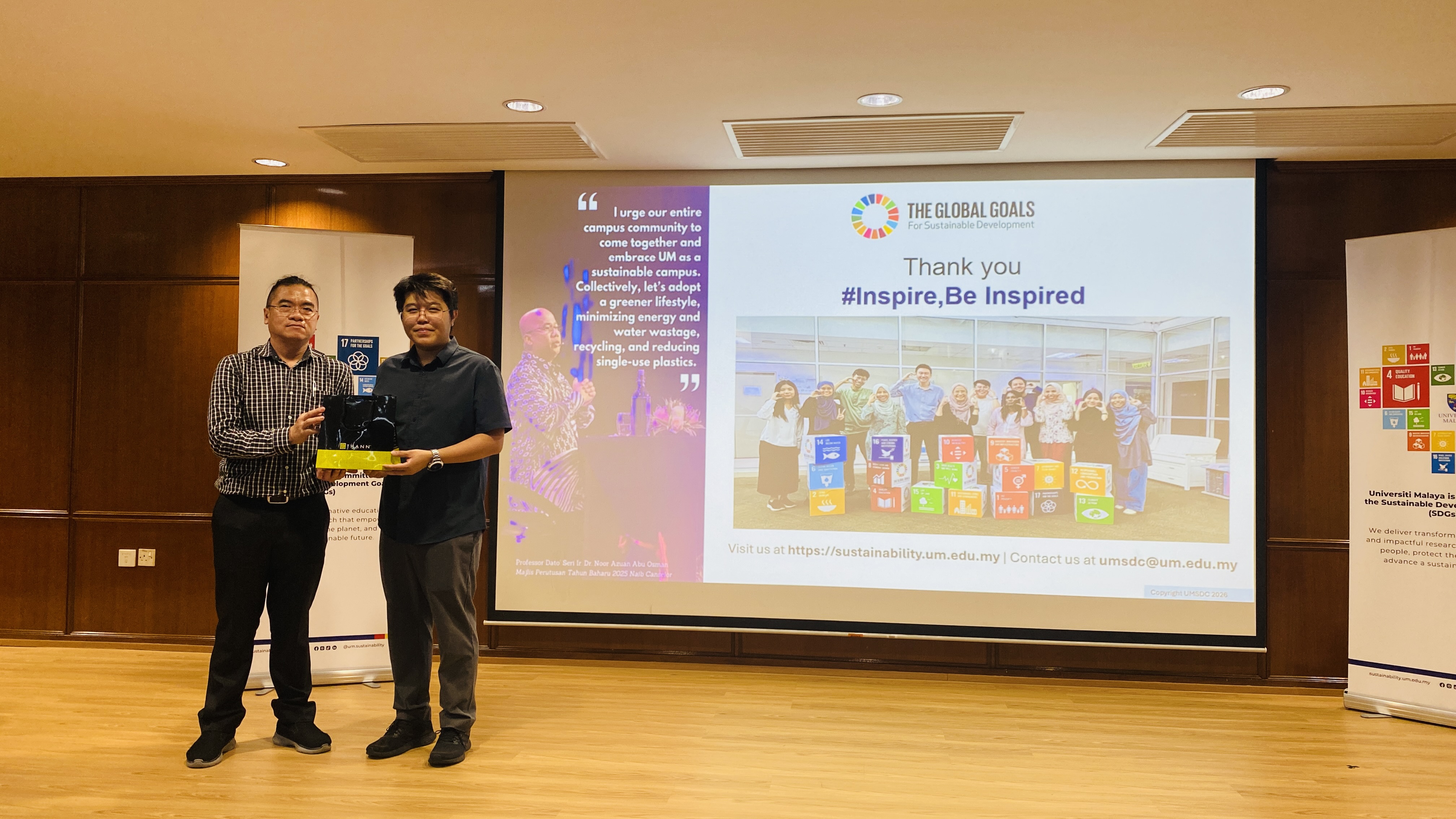
The learning continued with a sharing session hosted by the UMSDC team. Ts. Dr. Fong Chng Saun opened the session by introducing the team's work and, as always, sharing a few memorable words of wisdom. We are especially grateful that Dr. Fong made time to join us despite not feeling well.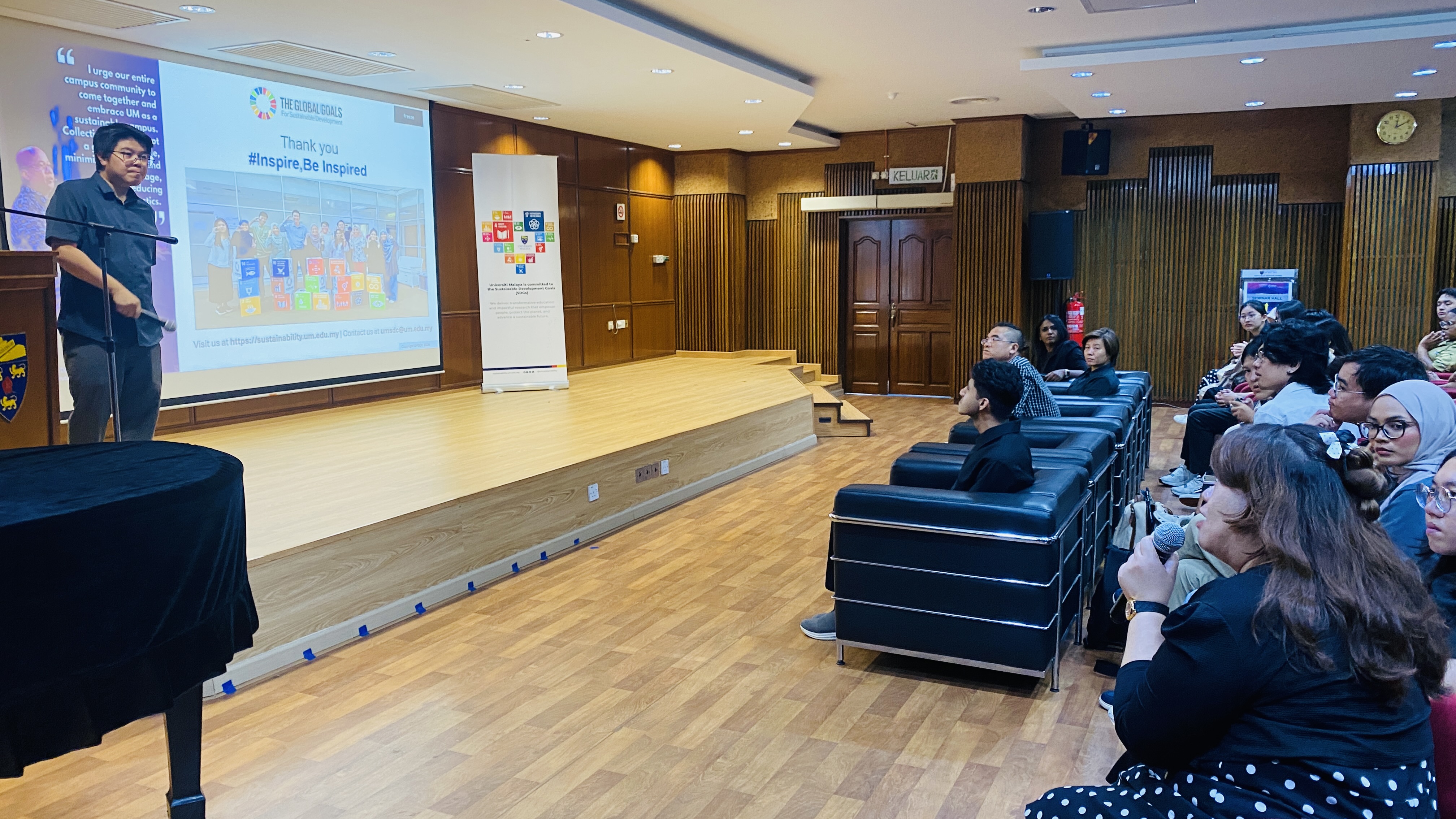
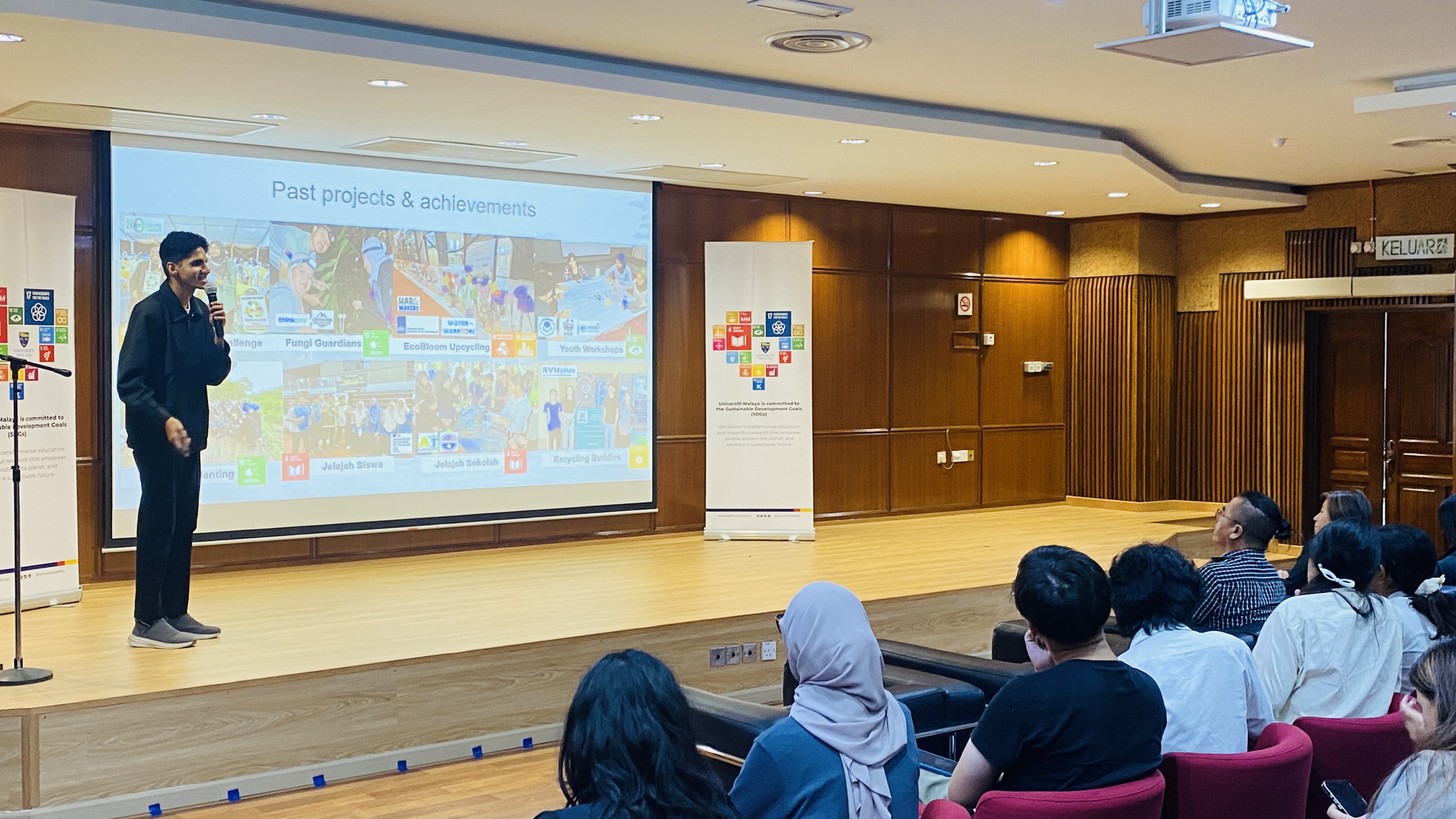
Next, Chm. Dr. Archina Buthiyappan, Coordinator of the UM Zero Waste Campaign (ZWC), shared the journey of the campaign and UM's efforts in sustainable solid waste management. Participants also heard from Mr. Sanjeef Kumr Subramaniam, who highlighted several student-led sustainability initiatives, including the Food Waste Audit, Clean Plate Challenge, Bring Your Own Bento (BYOB) campaign, and student volunteer programmes. It was inspiring to see how students are helping drive sustainability on campus through practical, everyday actions..jpeg)
In the afternoon, Dr. Adibi Rahiman delivered an engaging talk titled "From Seaweed Farms to Future Foods: Nature-Positive Pathways for Wellness, Biodiversity, and Climate Resilience." But the experience didn't stop there..jpeg) Participants rolled up their sleeves to prepare their own Vietnamese spring rolls, with seaweed taking centre stage as the star ingredient. The verdict? They were so delicious that everyone was too busy eating to remember to take many photos! Sometimes that's the best compliment a meal can receive. The activity reminded us that sustainable food can also be healthy, exciting and full of flavour.
Participants rolled up their sleeves to prepare their own Vietnamese spring rolls, with seaweed taking centre stage as the star ingredient. The verdict? They were so delicious that everyone was too busy eating to remember to take many photos! Sometimes that's the best compliment a meal can receive. The activity reminded us that sustainable food can also be healthy, exciting and full of flavour..jpeg)
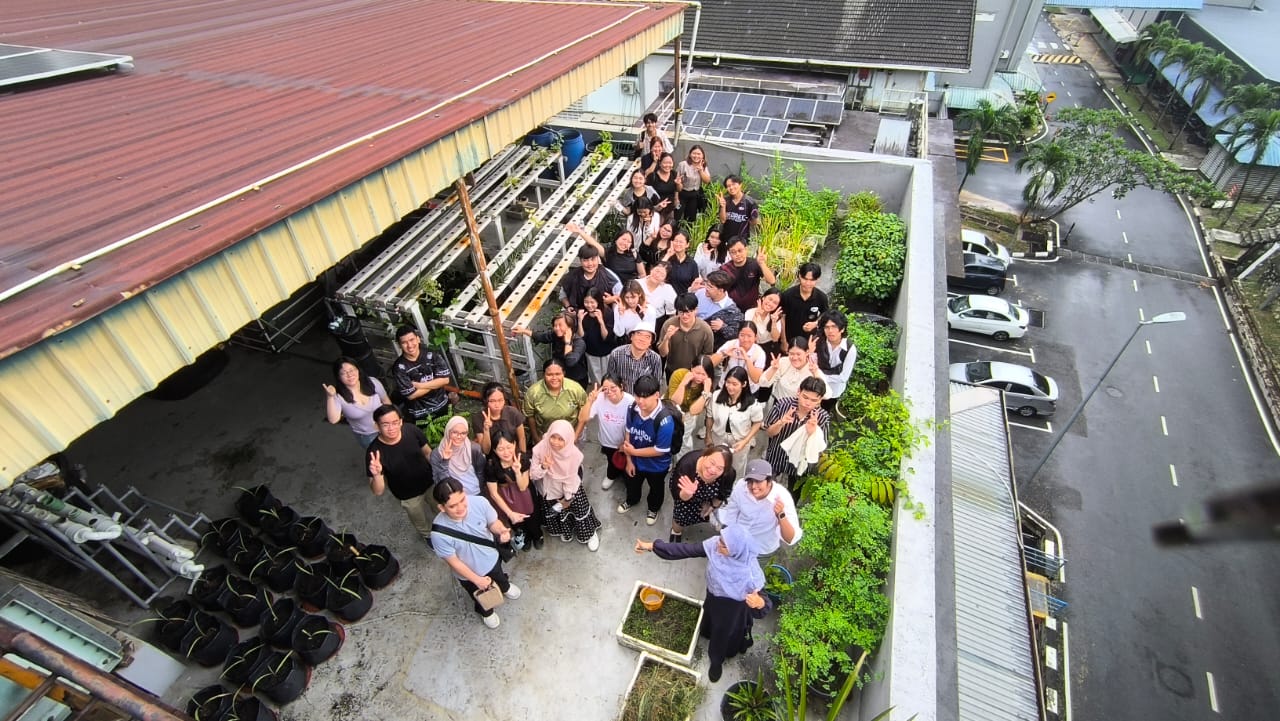
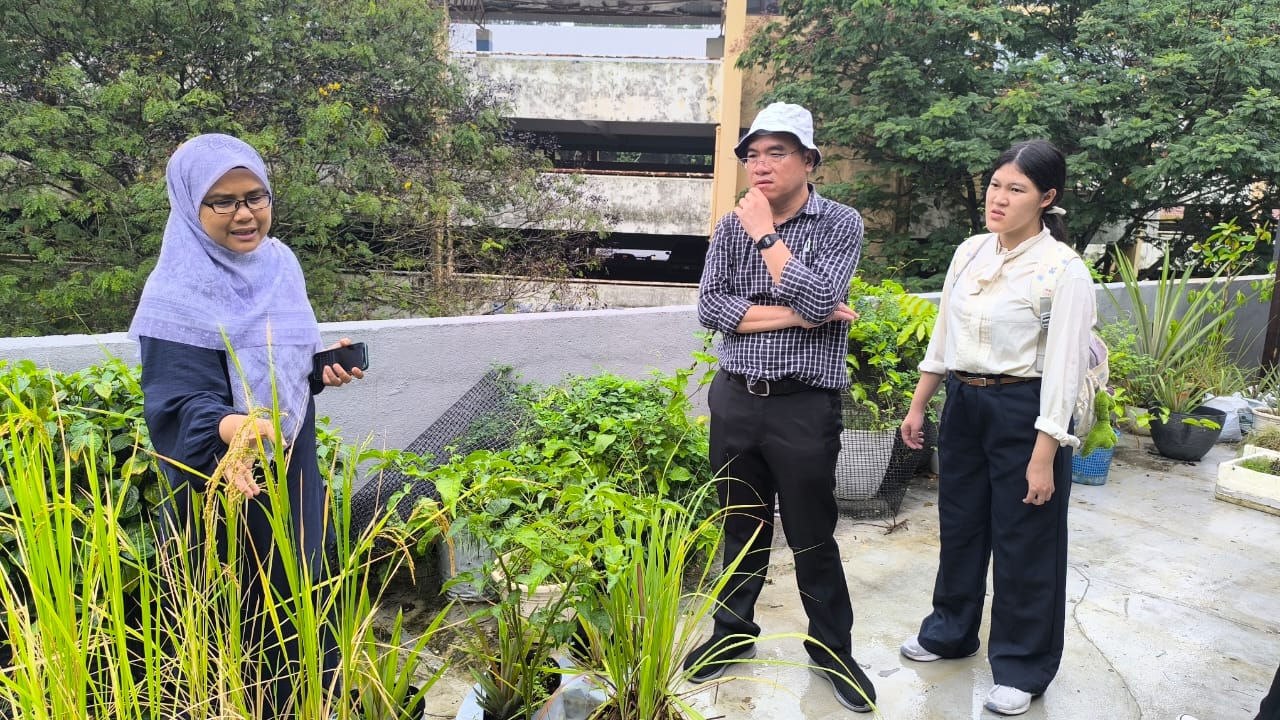
The day ended with a visit to the rooftop of the Department of Chemical Engineering, where Ir. Dr. Fathiah Mohamed Zuki showcased an inspiring urban farming project. An underused rooftop has been transformed into a vibrant green space featuring edible plants, tilapia fish, solar panels, composting systems and other sustainable innovations. The climb to the rooftop certainly made everyone sweat, but once at the top, it was easy to appreciate how greenery can create cooler, more comfortable spaces for learning, discussions and research.
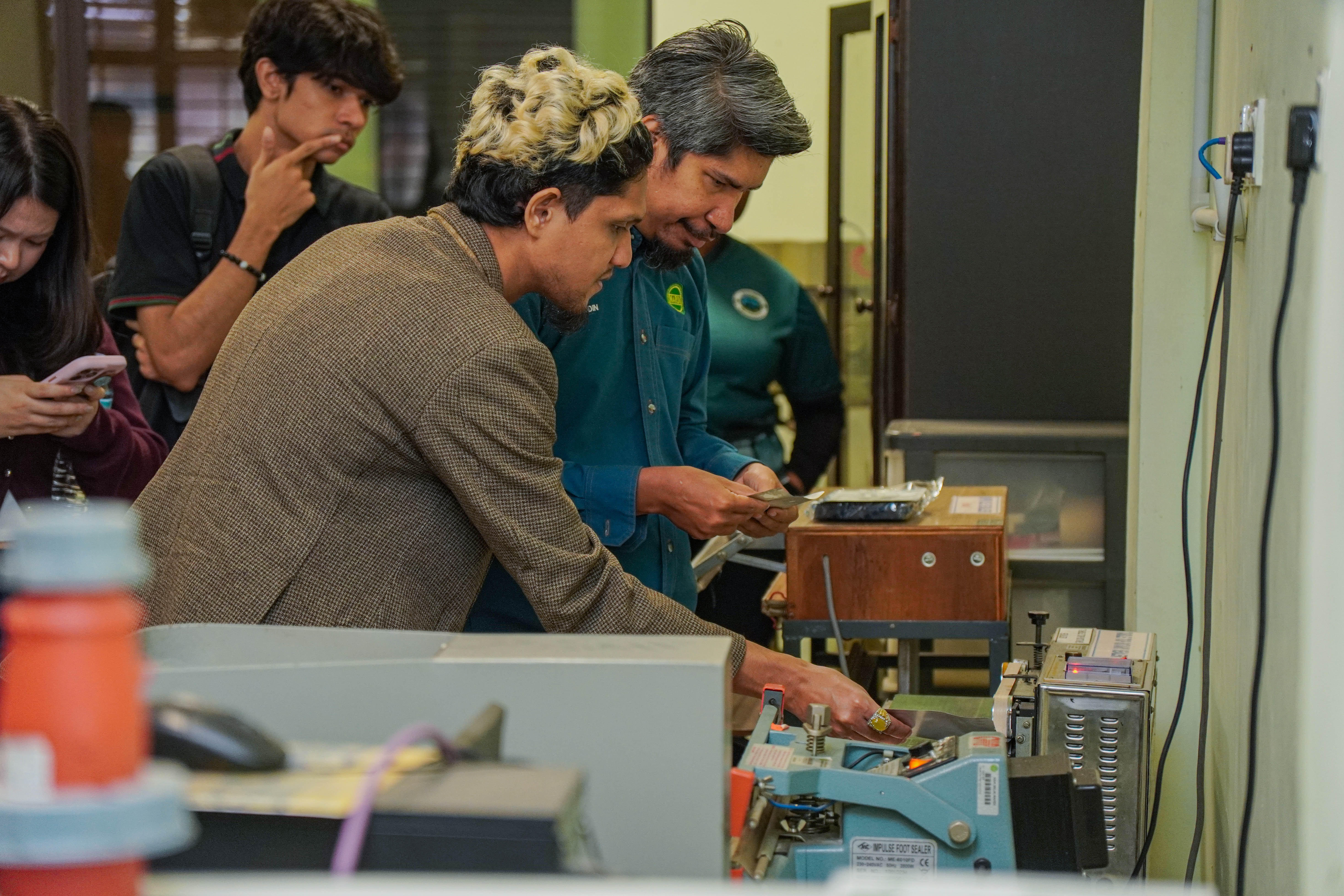
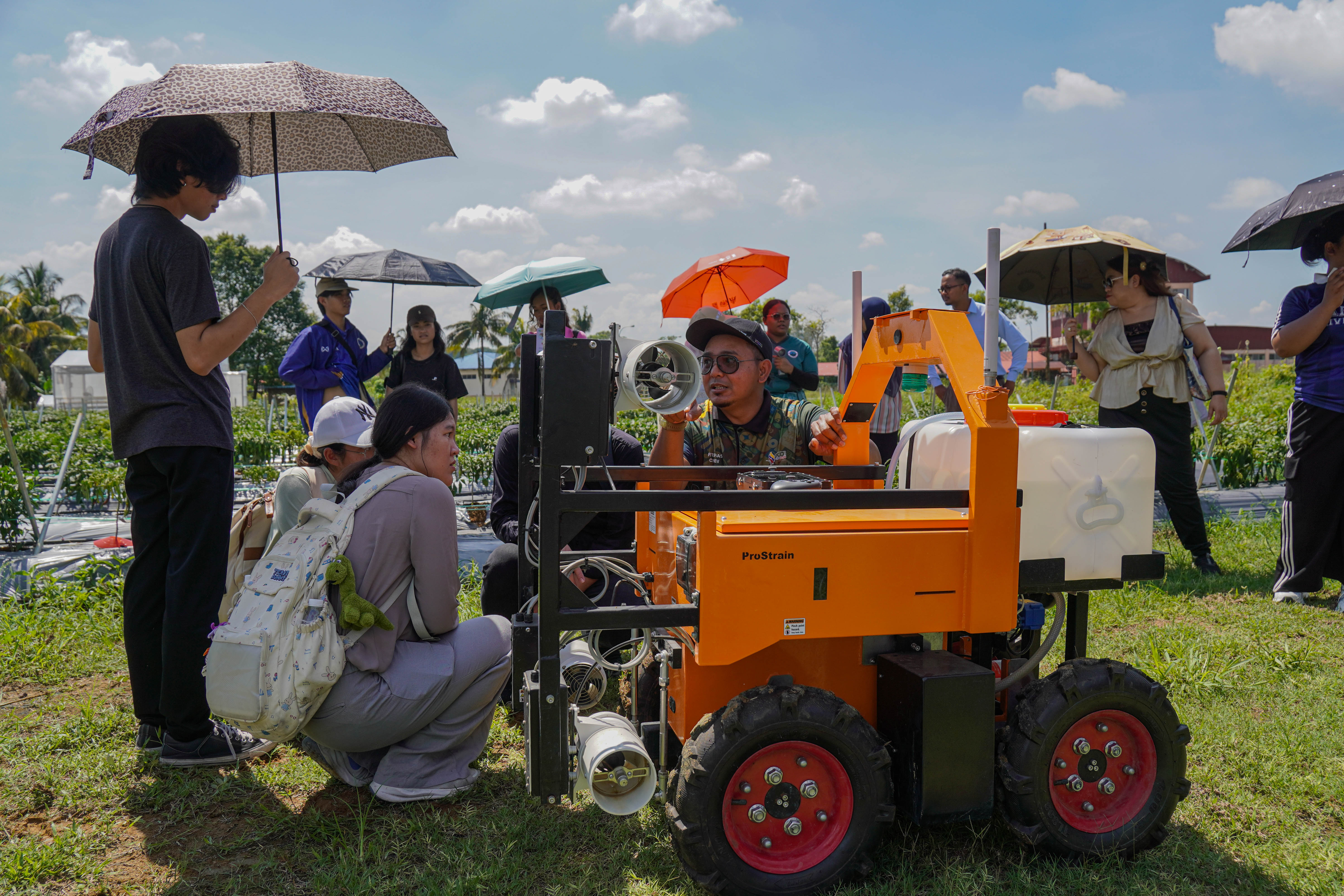
Our second day began with a visit to the Malaysian Agricultural Research and Development Institute (MARDI), where participants explored both the Food Technology & Science Research Centre and the Engineering Research Centre.
From functional foods and sustainable food packaging to smart farming technologies, fertiliser spraying vehicles and Internet of Things (IoT) applications, the visit showcased how research and innovation are helping shape the future of agriculture and food security. We would like to thank the MARDI team for their warm hospitality and for generously sharing their expertise throughout the visit.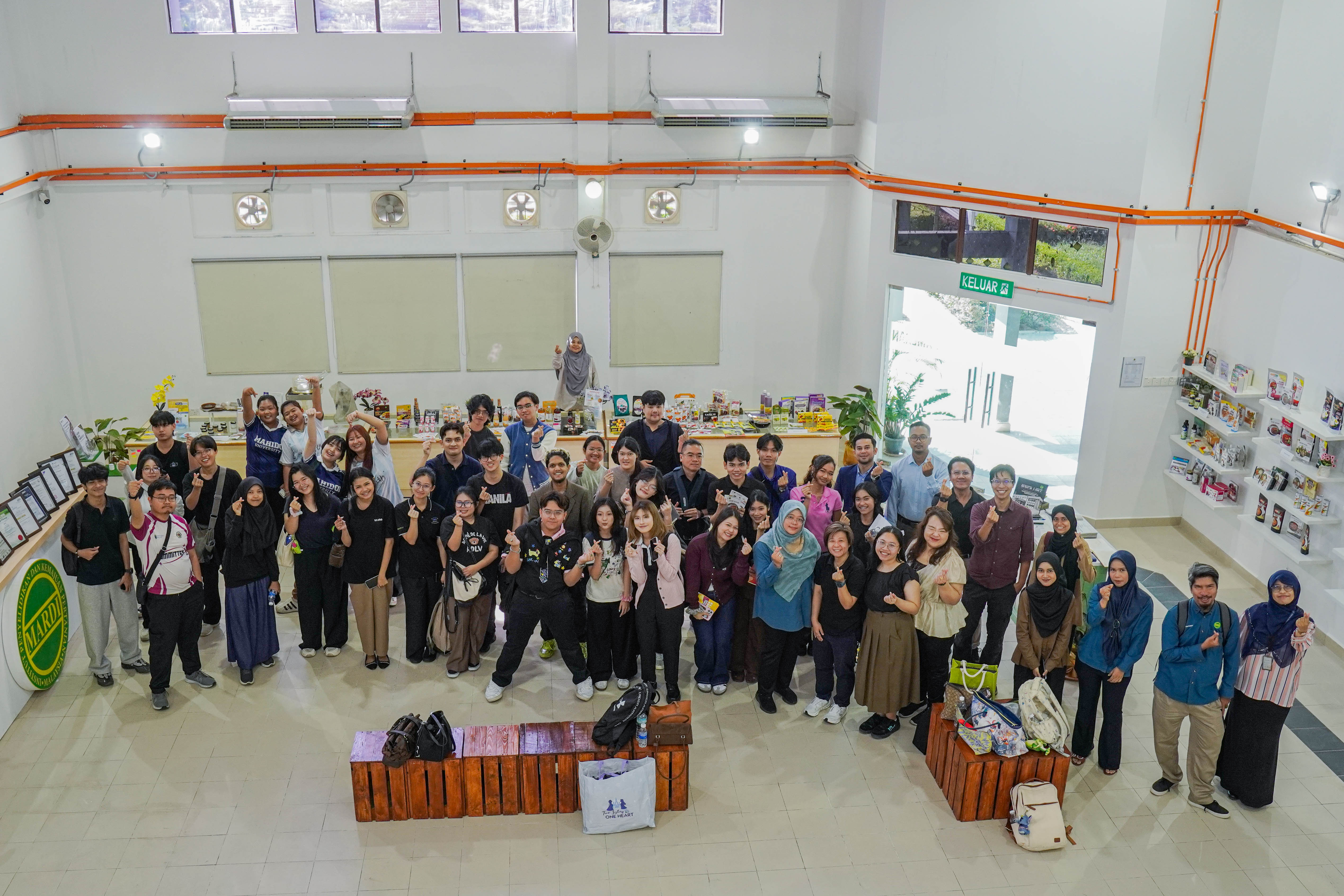
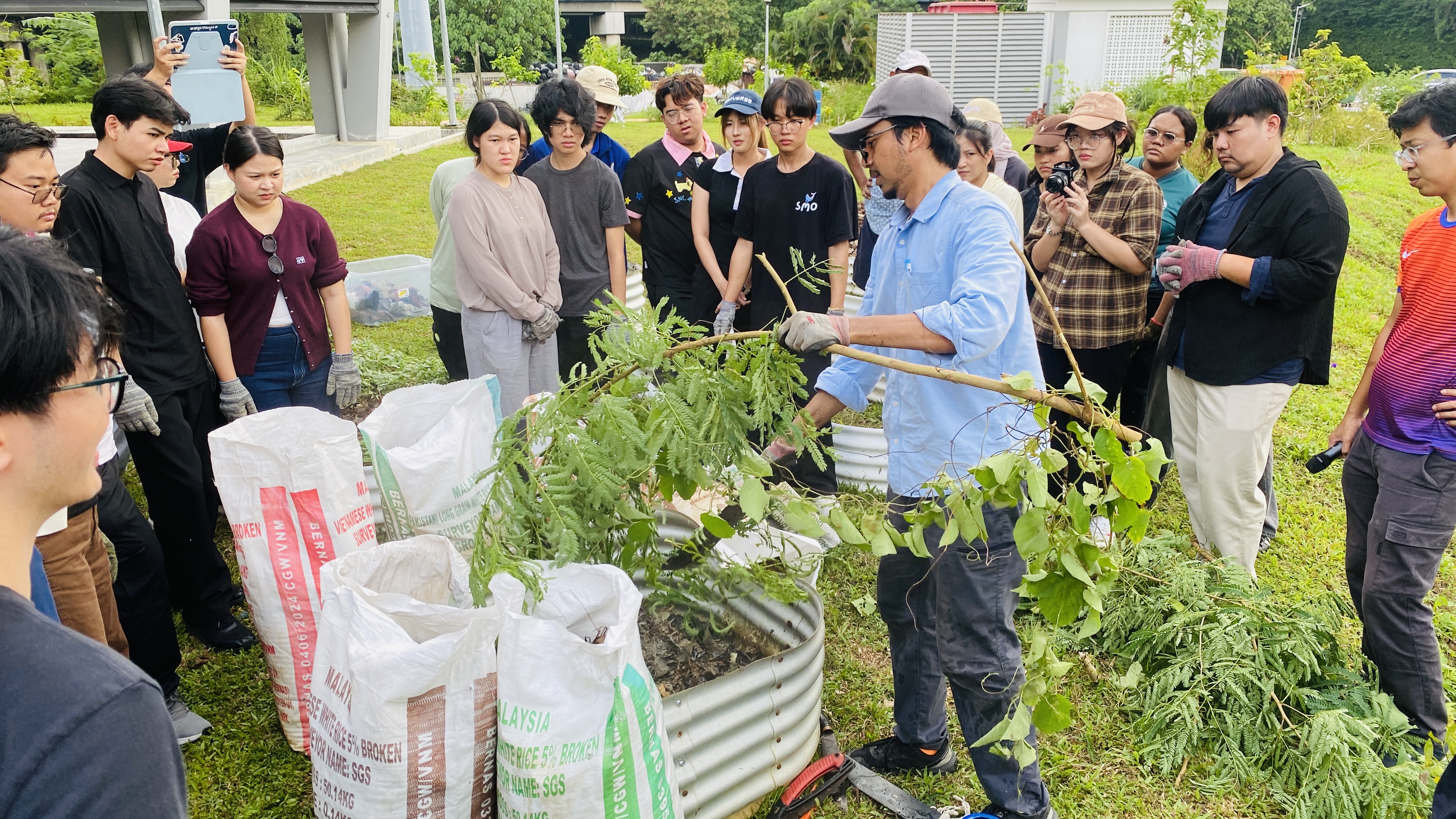
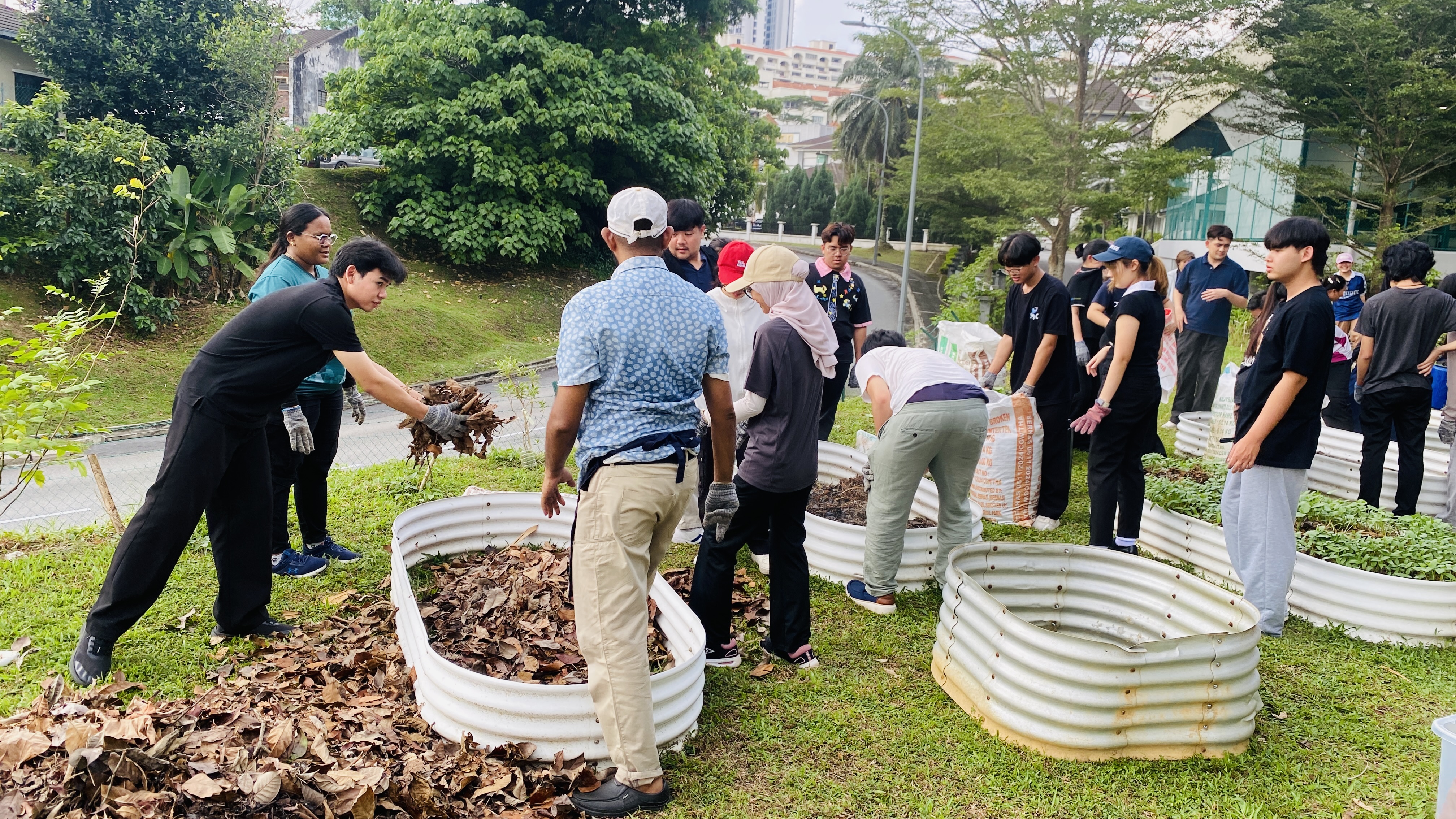
Back at UM, the programme shifted outdoors for a hands-on gardening activity inspired by the Miyawaki method, a popular approach for creating dense, biodiverse and self-sustaining green spaces.
Although no trees were planted just yet, participants prepared the raised planter beds at the UMSDC office garden for future planting. Along the way, they learnt that healthy soil is much more than dirt—it's a living ecosystem that supports countless organisms essential for plant growth and environmental resilience.
The session also demonstrated how circular economy principles can be applied on campus. Shredded garden waste from UM was reused as mulch, while compost produced through the UM Zero Waste Campaign enriched the soil. Participants also introduced Petai Belalang (Leucaena leucocephala), a nitrogen-fixing tree that naturally improves soil fertility.
A special thank you goes to our friends from the Urban Biodiversity Initiative, especially Dr. Thary Gazi, Ashaari, and Irfan, for guiding the session and sharing their knowledge with everyone..jpeg)
On the third day, participants organised their own study visits based on the topics of their individual projects.
The self-organised learning allowed students to explore sustainability issues that interested them most while encouraging collaboration, independent learning and cross-cultural exchange beyond the formal programme schedule.
The final day was all about celebrating the friendships built over the past four days.
Our friends from Mahidol University treated everyone to authentic Thai salad and Thai tea, introducing many participants to flavours they had never experienced before. The refreshing salad combined colourful fruits and vegetables with a bold dressing made from lime juice, fish sauce, palm sugar, anchovies, chilli and crushed peanuts. For those who wanted the full experience, our talented Thai student chef even prepared an extra sour and extra spicy version that certainly left a lasting impression!
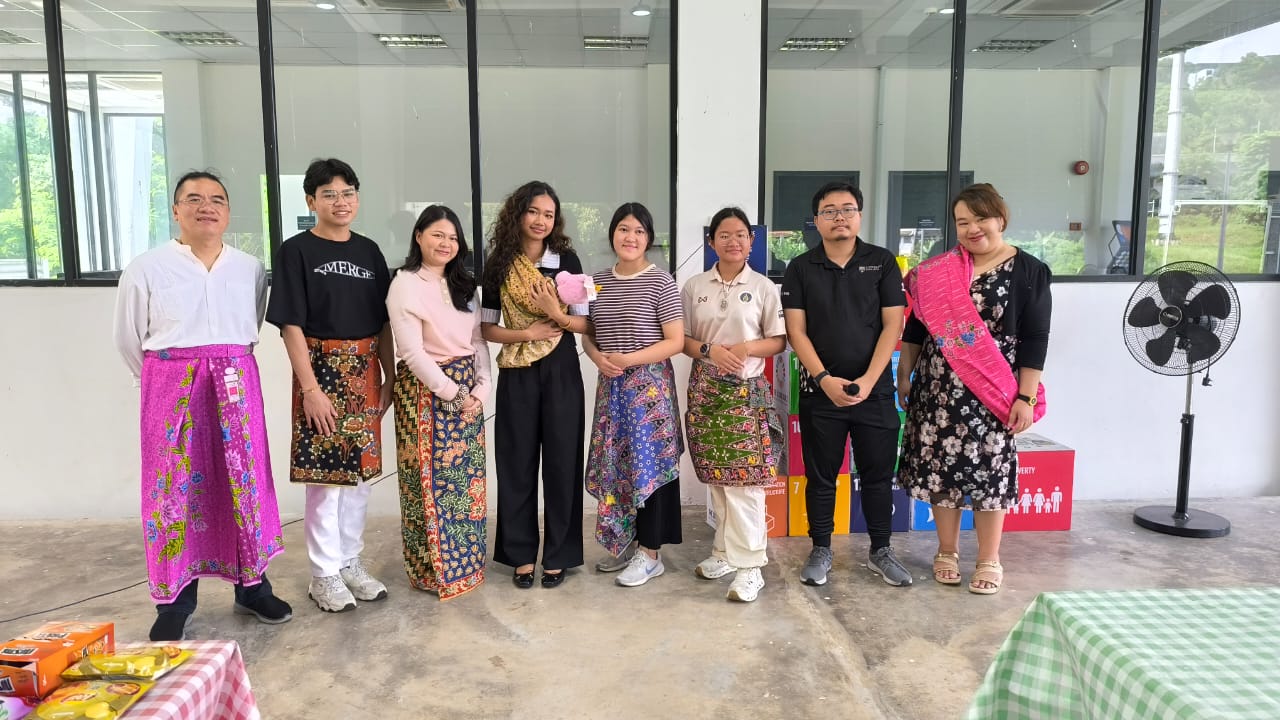
The cultural exchange continued with a fun session exploring the many ways kain batik can be worn. Participants experimented with traditional styles, modern fashion, baby-carrying wraps, improvised men's attire and even head coverings. It was a simple activity that sparked plenty of laughter while celebrating Malaysia's rich cultural heritage.
As the programme came to an end, it was clear that the experience had become much more than a series of visits and workshops. It had created opportunities to learn from one another, exchange ideas, build friendships and discover that sustainability is not just about protecting the environment—it is also about connecting people, cultures and communities.
.jpeg)
The SDGs + Mobility MaPs 2026 may have lasted only four days, but the conversations, collaborations and memories will continue long after everyone returned home. UMSDC looks forward to welcoming many more opportunities to work together with Mahidol University in advancing sustainability through education, innovation and meaningful partnerships.