
What if retired EV batteries could help power rural homes?
The system is designed for rural use, where solar panels charge repurposed EV and PHEV batteries during the day, and the stored energy can be used at night. It may support basic household needs such as lighting, fans and refrigerators, while higher-capacity batteries can contribute to rural electrification and lower-capacity batteries may be used for lighter applications such as campus mobile-device charging stations.
On 6 May 2026, Universiti Malaya, through the Universiti Malaya Sustainable Development Centre (UMSDC) and UM Power Energy Dedicated Advanced Centre (UMPEDAC), was honoured to co-organise the media engagement session: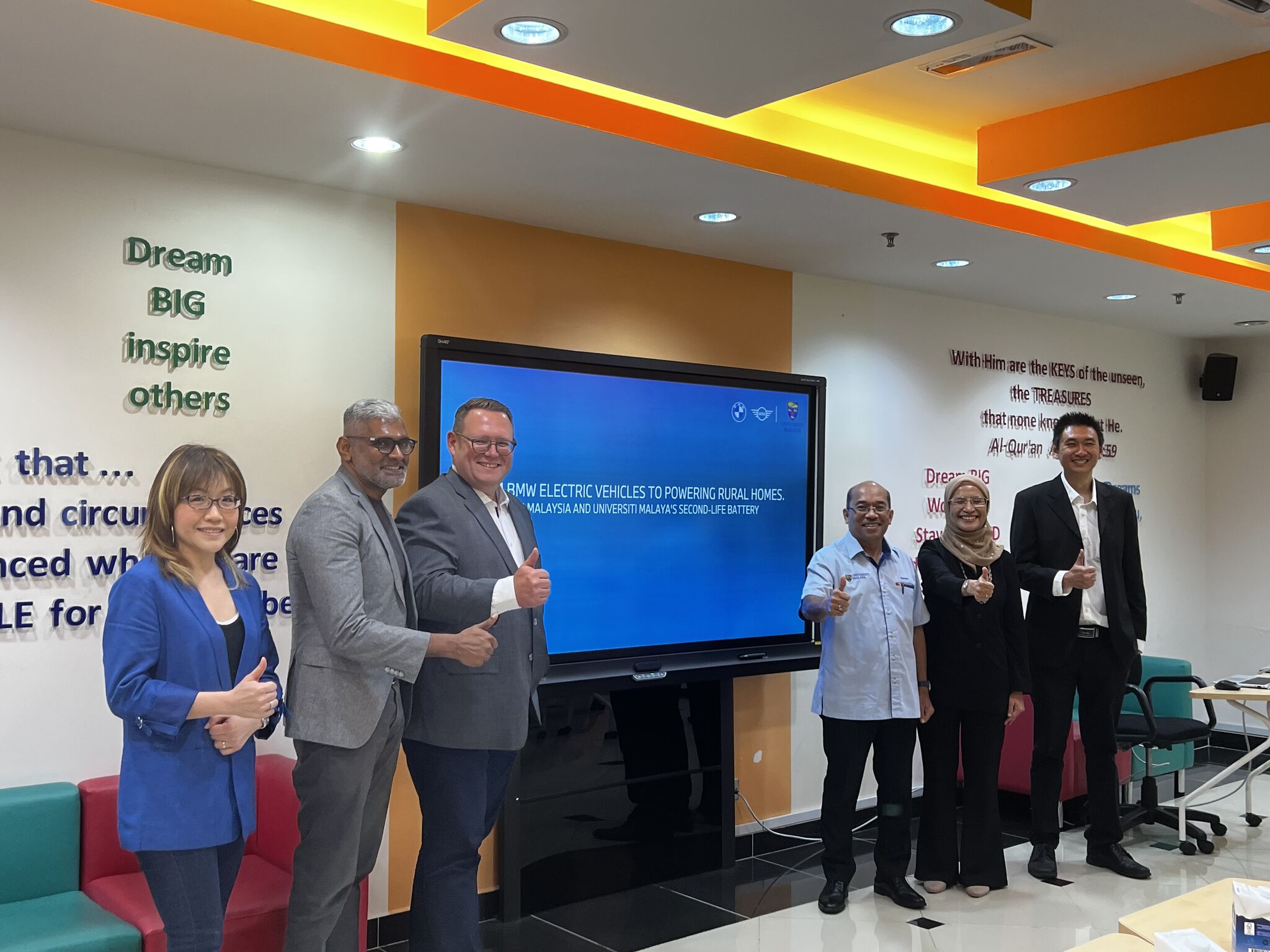
“BMW Electric Vehicles to Powering Rural Homes: Behind-the-Scenes of BMW Group Malaysia and Universiti Malaya’s Second-Life Battery Research”
The programme highlighted the collaboration between BMW Group Malaysia and Universiti Malaya following the MoU signed on 15 January 2026, focusing on repurposing end-of-life EV and PHEV batteries into second-life energy storage systems for rural and community applications.
The programme was honoured with opening remarks by Prof. Dr. Yahaya Ahmad, Associate Vice-Chancellor (Corporate Strategy), followed by presentations from Mr. Sashi Ambi, Director of Corporate Communications and Sustainability, BMW Group Malaysia, and Assoc. Prof. Dr. Tan Chia Kwang, Project Leader from Universiti Malaya.
Assoc. Prof. Dr. Tan also leads the UM Living Labs project:
“Repurposed End-of-Life Electric Vehicle Batteries for Demand Side Management System – An Assessment on the Environmental and Economic Benefits Analysis.”The event continued with a visit to the UMSDC office near the Universiti Malaya Damansara Gate, where Assoc. Prof. Dr. Zeeda Fatimah Mohamad, Director of UMSDC, shared UMSDC’s role in advancing sustainability initiatives and Living Labs approaches.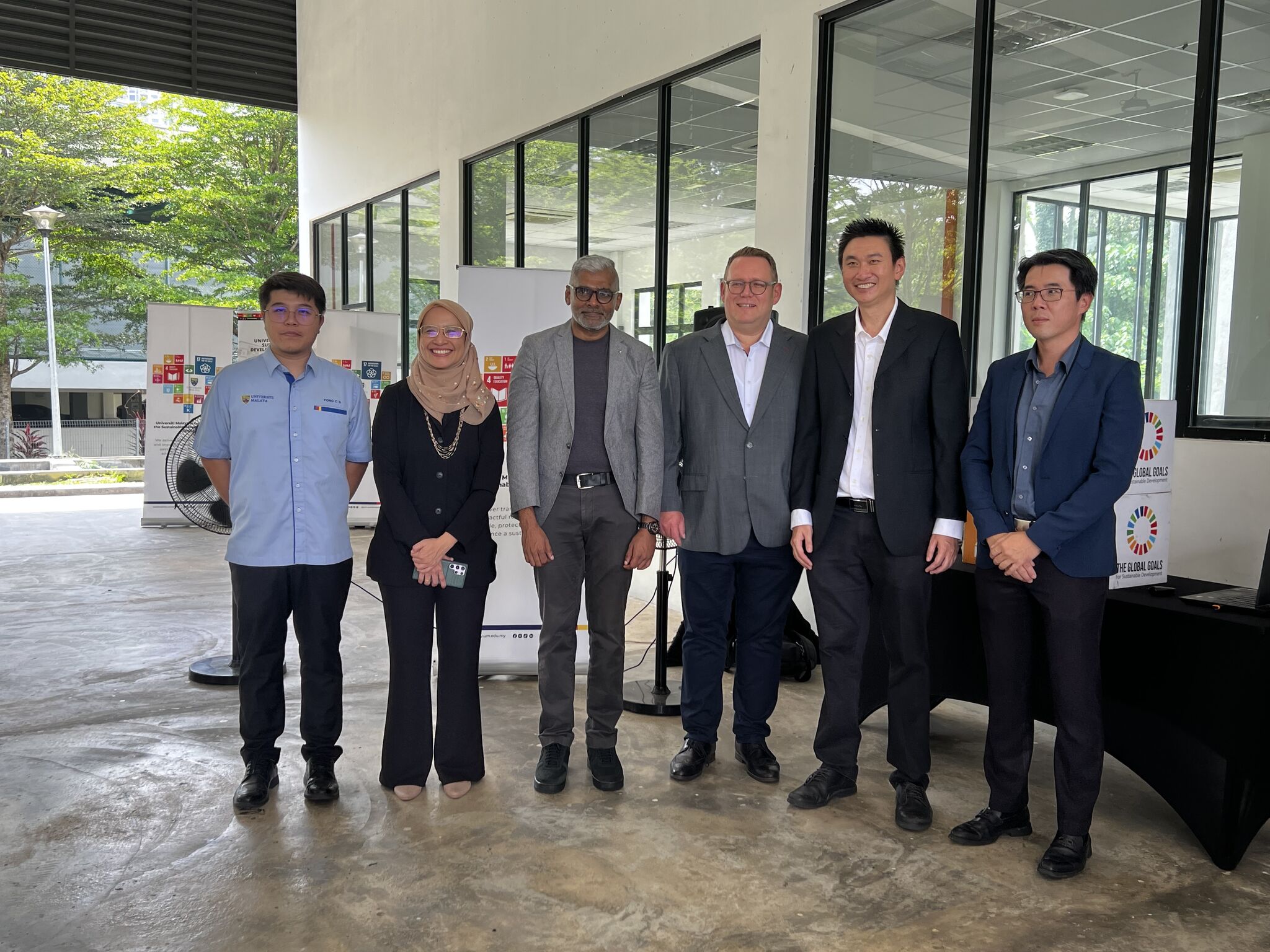 Participants were later brought to the Smart Grid Laboratory at Wisma R&D, located next to TM Tower, where the second-life EV battery prototype system and related technologies were showcased.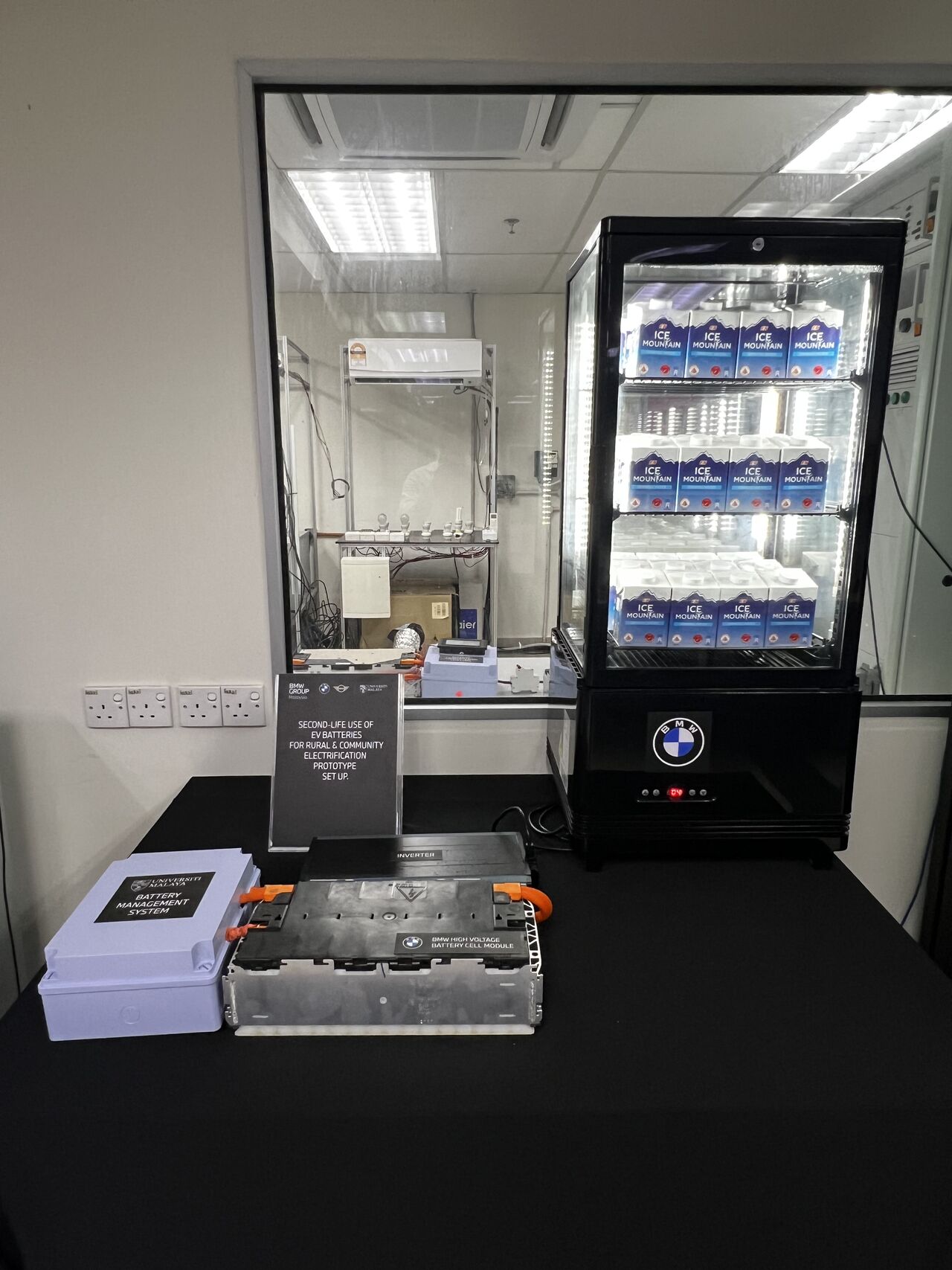
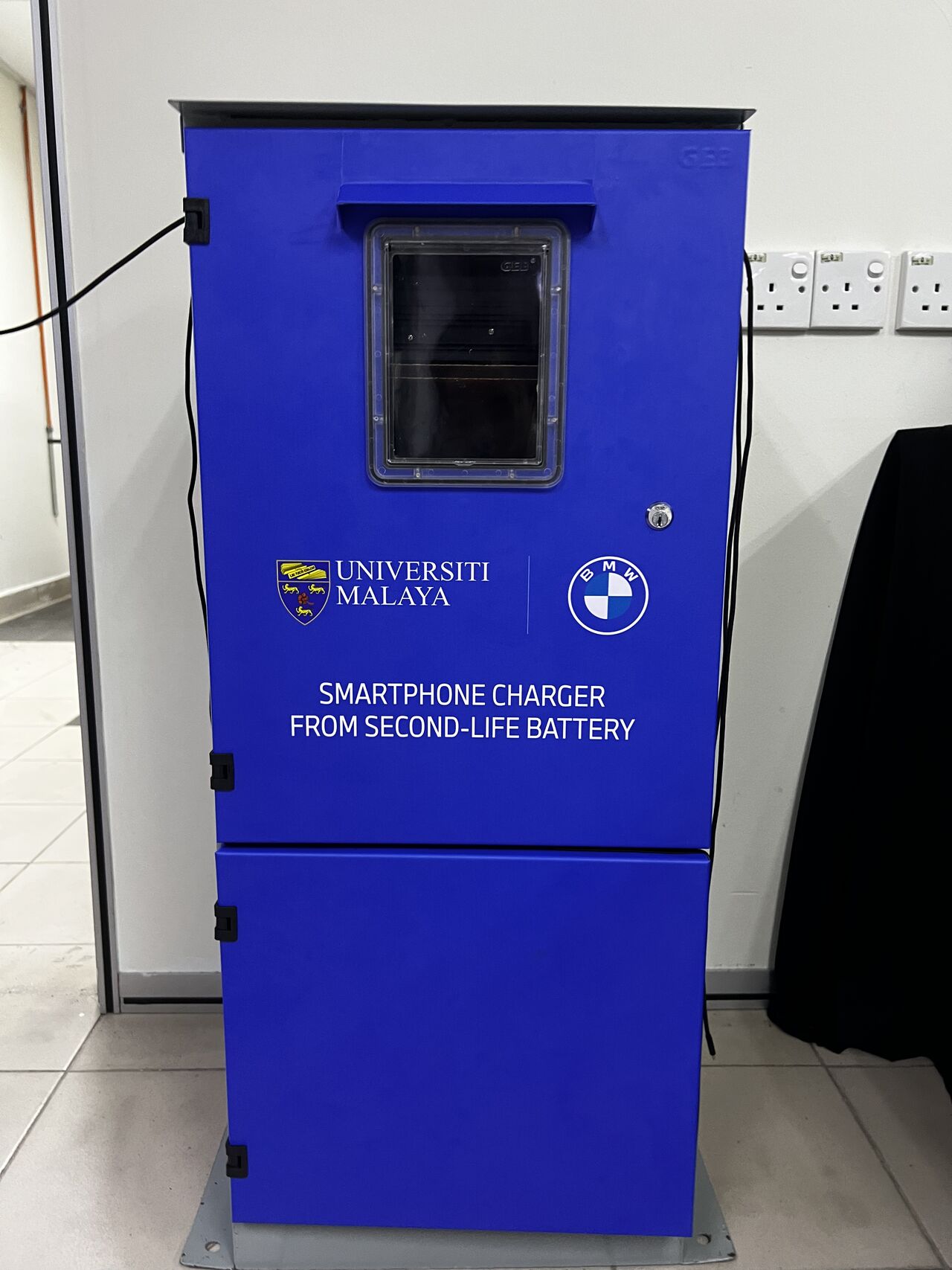 The initiative demonstrates promising future prospects in advancing circular economy practices, renewable energy storage systems, sustainable rural electrification, and community resilience. The collaboration is also expected to contribute towards future research, real-world Living Labs implementation, and scalable sustainable energy solutions for underserved communities, including the planned deployment for Orang Asli settlements in Pahang.